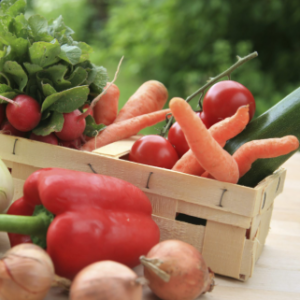
Stepping into the world of raw food can feel like opening a door to a completely new way of thinking about meals. For someone who has always relied on cooked dishes, the idea of eating fresh fruits, vegetables, nuts, and seeds without any heat might seem unusual or even intimidating. Yet, embracing raw food does not have to be complicated. With a few simple ideas and a bit of experimentation, first-time tryers can enjoy meals that are both nourishing and delightful.
The beauty of raw food lies in its simplicity. Nature provides vibrant ingredients that are full of flavor and texture without any need for complex preparation. One of the easiest ways to start is with a colorful salad. Imagine a bowl filled with crisp lettuce, juicy cherry tomatoes, crunchy cucumbers, and sweet bell peppers. To make it more interesting, adding a handful of seeds, such as sunflower or pumpkin seeds, brings a satisfying crunch. A light dressing made from olive oil, lemon juice, and a touch of honey can elevate the flavors without overpowering the natural taste of the vegetables.
Fruits are another fantastic way to begin a raw food journey. Fresh fruits are naturally sweet, refreshing, and incredibly versatile. A fruit platter with sliced apples, oranges, kiwi, and berries is visually appealing and simple to prepare. For a more creative approach, try a fruit salad with a splash of lime juice and a sprinkle of mint leaves. This combination brings out the natural sweetness of the fruits while adding a hint of freshness that makes each bite enjoyable. Smoothies are also an excellent choice for beginners. Blending bananas, berries, spinach, and a splash of plant-based milk can create a creamy, nutrient-packed drink that feels indulgent yet remains raw.
Nuts and seeds are essential components of a raw food diet. They provide protein, healthy fats, and a satisfying texture. Almonds, cashews, walnuts, and chia seeds can be added to salads, sprinkled on top of fruit bowls, or blended into smoothies. For a simple snack, try soaking nuts overnight to make them softer and easier to digest. Adding a touch of cinnamon or a few drops of vanilla extract can enhance their flavor without cooking or processing. These small additions make raw foods feel more familiar and enjoyable, easing the transition for first-time tryers.
Raw food does not have to be limited to fruits and vegetables. There are also creative ways to enjoy grains and legumes without cooking them. Sprouted beans and lentils are highly nutritious and can be added to salads or wraps. Sprouting is easy to do at home: soak the beans overnight, rinse them twice a day, and watch as tiny shoots begin to emerge in a few days. Sprouted lentils, chickpeas, or mung beans have a gentle, nutty flavor and provide a satisfying crunch that complements softer ingredients. Combining them with fresh greens, grated carrots, and a tangy dressing creates a filling and wholesome meal.
Another beginner-friendly raw food idea is preparing raw wraps. Large leafy greens, such as collard greens or romaine lettuce, can serve as a natural wrap filled with a mix of vegetables, sprouts, and avocado slices. Adding a raw nut-based spread or hummus can bind the ingredients together while enhancing the flavor. These wraps are portable, easy to assemble, and perfect for lunches or light dinners. The combination of textures and flavors makes them appealing even to those who are new to raw eating.
For those with a sweet tooth, raw desserts can be surprisingly simple. Blending dates, nuts, and cocoa powder creates a naturally sweet, chocolatey treat without any baking. Raw energy balls or bars can be prepared in advance and stored in the refrigerator for a quick snack. Fresh fruit with a dollop of nut butter also provides a satisfying, wholesome sweetness. The key is to focus on ingredients that are naturally flavorful and nutrient-dense, keeping the process straightforward and enjoyable.
Hydration is another important aspect of a raw food lifestyle. Infused water is a fun and easy way to stay hydrated while adding a touch of flavor. Slices of citrus, cucumber, or berries in water make drinking fluids more enjoyable and visually appealing. Herbal teas, served cold, can also complement raw meals while providing additional antioxidants. These small habits help reinforce the raw food experience in a practical and refreshing way.
A practical approach for first-time tryers is to introduce raw foods gradually rather than attempting to make every meal raw. Starting with one raw meal a day or incorporating raw snacks between cooked meals allows the body and palate to adjust. It also reduces the feeling of restriction and makes the transition feel natural. Keeping a variety of ingredients on hand, such as fresh fruits, leafy greens, and nuts, ensures that raw meals are convenient and satisfying without requiring extensive preparation.
Experimentation is a big part of enjoying raw foods. Trying different combinations of fruits, vegetables, and nuts can reveal flavors and textures that feel entirely new. Some ingredients that might seem unusual at first, such as seaweed, raw sprouts, or fermented vegetables like sauerkraut, can add depth to meals and introduce valuable nutrients. By exploring and discovering personal preferences, first-time tryers can develop a raw food routine that feels enjoyable rather than restrictive.
In addition to taste and nutrition, raw foods can have a positive impact on overall well-being. Many people report feeling lighter, more energized, and more connected to the natural rhythm of food when incorporating raw meals. This sense of vitality often comes from eating foods in their most natural state, preserving enzymes, vitamins, and minerals that can be diminished through cooking. While raw food is not the only path to health, it offers a refreshing alternative that encourages mindful eating and appreciation for fresh, whole ingredients.
Ultimately, the key to starting with raw food is keeping it simple and enjoyable. There is no need for complicated recipes or expensive ingredients. Fresh fruits, vegetables, nuts, seeds, and sprouted legumes provide endless opportunities for meals that are nourishing, delicious, and easy to prepare. By experimenting with flavors, textures, and combinations, first-time tryers can discover a world of raw food that feels approachable and satisfying. Embracing this lifestyle is not about perfection but about exploring new ways to enjoy food in its natural, wholesome form.
As with any dietary change, listening to the body is essential. Starting slowly, observing how different foods feel, and adjusting portions accordingly ensures a positive and sustainable experience. Over time, raw food can become a natural part of daily life, offering refreshing alternatives, enhancing well-being, and inspiring creativity in the kitchen. For first-time tryers, the journey begins with small steps, simple ingredients, and an open mind, transforming everyday meals into vibrant, nourishing experiences.