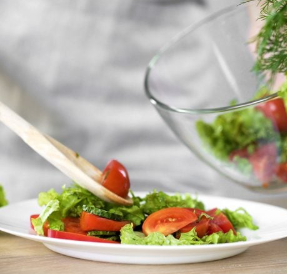
Eating fresh raw foods can transform the way you view your meals. These vibrant ingredients are not only visually appealing, but they also offer a spectrum of textures, flavors, and nutrients that can elevate any dish. The beauty of incorporating raw options into your diet is that it encourages creativity, mindfulness, and a deeper connection to the natural foods you enjoy.
Fresh raw fruits and vegetables are the cornerstone of any elevated plate. Imagine the crisp crunch of thinly sliced bell peppers, the subtle sweetness of ripe strawberries, or the juicy pop of cherry tomatoes. Each bite delivers a burst of flavor and nourishment, making your meals feel alive and refreshing. Beyond taste, these raw ingredients retain the majority of their vitamins, minerals, and enzymes, which can be diminished through cooking. This makes them not only delicious but also highly beneficial for overall wellness.
Salads are perhaps the most obvious way to enjoy raw foods, yet they can go far beyond a simple mix of greens. Experimenting with fresh herbs, microgreens, and edible flowers can instantly add sophistication to your plate. Mixing textures, like crunchy cucumbers with creamy avocado or crisp radishes with tender baby spinach, creates a dynamic experience with every bite. Dressing your salad with a homemade vinaigrette made from fresh citrus juice, olive oil, and a pinch of sea salt allows the natural flavors of the raw ingredients to shine without overpowering them.
Raw options also extend to snacks, which are often overlooked as opportunities for creativity. Fresh fruit kabobs with a mix of pineapple, kiwi, and grapes make for a visually stunning and portable snack. Slicing raw vegetables into fun shapes can encourage even the pickiest eaters to enjoy their produce. Pairing these vegetables with a nut-based dip or a tangy yogurt dressing adds flavor while keeping the snack wholesome and satisfying.
Smoothies are another versatile avenue for fresh raw ingredients. Combining leafy greens with fruits like mango, banana, or berries creates a nutrient-packed drink that is both filling and refreshing. Adding seeds, such as chia or flax, enhances the nutritional value without altering the natural taste. Smoothies allow for easy experimentation, enabling you to discover unique combinations that appeal to your personal palate. The blending process releases the flavors in a way that makes each ingredient more pronounced, while maintaining the raw integrity of the components.
Incorporating raw nuts and seeds can also elevate your meals, adding both texture and nutritional benefits. Sprinkling sunflower seeds over a salad or adding crushed almonds to a fruit bowl introduces subtle flavors that complement fresh produce. Nuts and seeds are rich in healthy fats, protein, and micronutrients, helping to balance meals and provide lasting energy. Soaking or lightly sprouting them can further enhance their digestibility and nutrient absorption, making them a smart addition to a raw-focused diet.
Raw grains and legumes, when prepared correctly, can also contribute to a creative and satisfying plate. Soaking grains such as quinoa, buckwheat, or millet softens them while preserving their nutrients, allowing you to toss them into salads or combine them with chopped vegetables and herbs. Sprouted lentils or chickpeas bring an added crunch and earthiness that pairs beautifully with fresh citrus or olive oil-based dressings. These ingredients prove that raw cuisine does not have to be limiting; instead, it offers endless possibilities for inventive meals.
Presentation plays a significant role in elevating a raw plate. Vibrant colors, varied shapes, and careful arrangement can make even simple ingredients feel gourmet. A bowl of sliced rainbow vegetables arranged in a spiral pattern or a layered fruit parfait can instantly captivate the senses. Paying attention to visual appeal encourages a deeper appreciation of the food and can make meals feel more intentional and satisfying. The combination of aesthetics, texture, and flavor ensures that eating becomes an engaging and enjoyable experience.
In addition to taste and appearance, fresh raw foods support mindful eating practices. Eating raw encourages slower consumption, allowing you to savor each bite and become more attuned to hunger and fullness cues. The natural flavors of fruits and vegetables can satisfy cravings in ways that processed foods often cannot, fostering a healthier relationship with food. Mindful eating enhances enjoyment and can promote better digestion, contributing to a sense of well-being that extends beyond the meal itself.
Seasonal ingredients further enhance the appeal of raw plates. Visiting local farmers’ markets or selecting seasonal produce at the grocery store ensures peak freshness and flavor. Seasonal fruits and vegetables often require minimal preparation, allowing their natural taste to take center stage. They also provide variety throughout the year, preventing meals from feeling repetitive. By aligning your meals with seasonal availability, you not only enjoy fresher produce but also connect more closely with the rhythms of nature.
Fresh raw foods are not limited to traditional salads and fruits. Innovative preparations like raw wraps, zucchini noodles, and cauliflower rice introduce new textures and flavors. Using thinly sliced vegetables as wraps instead of bread or creating spiralized vegetable noodles provides a light and nutrient-dense alternative to classic dishes. Raw salsas, pesto, and chutneys made from fresh ingredients add layers of flavor without the need for cooking, turning simple meals into culinary adventures.
Pairing complementary flavors is key to elevating a raw plate. Sweet fruits can be balanced with tangy citrus, earthy vegetables with bright herbs, and creamy elements like avocado with crunchy seeds or nuts. Exploring diverse cuisines and flavor profiles can inspire creative combinations that keep meals exciting. From Mediterranean-inspired salads to tropical fruit medleys, the possibilities are endless when fresh raw ingredients are treated as the centerpiece of each dish.
Finally, embracing fresh raw options can positively influence overall lifestyle and well-being. Incorporating more uncooked fruits, vegetables, and sprouted grains supports digestive health, boosts energy levels, and encourages a lighter, more vibrant approach to eating. It also fosters creativity in the kitchen, motivating you to explore new flavors and textures. Meals become a source of nourishment and enjoyment, rather than a routine task, making it easier to sustain healthy habits over time.
Fresh raw ingredients offer more than just nutrition; they provide a canvas for culinary expression. Each meal becomes an opportunity to explore taste, color, and texture while nourishing the body. By incorporating a variety of raw fruits, vegetables, nuts, seeds, and grains, you can elevate everyday dishes into experiences that delight the senses. Whether through a simple salad, a creative smoothie, or an innovative raw wrap, embracing raw foods can transform the way you approach eating, making every plate feel fresh, exciting, and full of possibility.